Taxes
Federal taxes are taxes imposed by the U.S. national government to fund its operations and constitutional responsibilities. They are authorized by the United States Congress and collected primarily by the Internal Revenue Service. Federal taxes are nationwide and apply uniformly under federal law. They are different from state and local taxes, which are imposed by state governments and municipalities.
What Federal Taxes Pay For
Federal taxes fund nationwide programs and functions, including:
National defense and veterans’ services
Social Security and Medicare
Infrastructure (highways, airports, ports)
Federal courts and law enforcement
Disaster relief and emergency response
Interest on the national debt
Main Types Of Federal Taxes
Individual income tax – on personal earnings
Payroll taxes – Social Security & Medicare (FICA)
Corporate income tax – on business profits
Capital gains tax – on investment profits
Excise taxes – on specific goods (gas, alcohol, tobacco, firearms, airline tickets, etc.)
Estate tax – on large estates after death
Gift tax – on large lifetime gifts
Customs duties (tariffs) – on imported goods
Unemployment taxes (FUTA) – paid by employers
Self-employment tax – effectively payroll taxes for the self-employed (sometimes counted separately)
Tax Rates
Federal Income Tax Rate (Individual)
In the United States, there is no single federal income tax rate for individuals. Instead, the system uses progressive tax brackets, meaning different portions of your income are taxed at different rates.
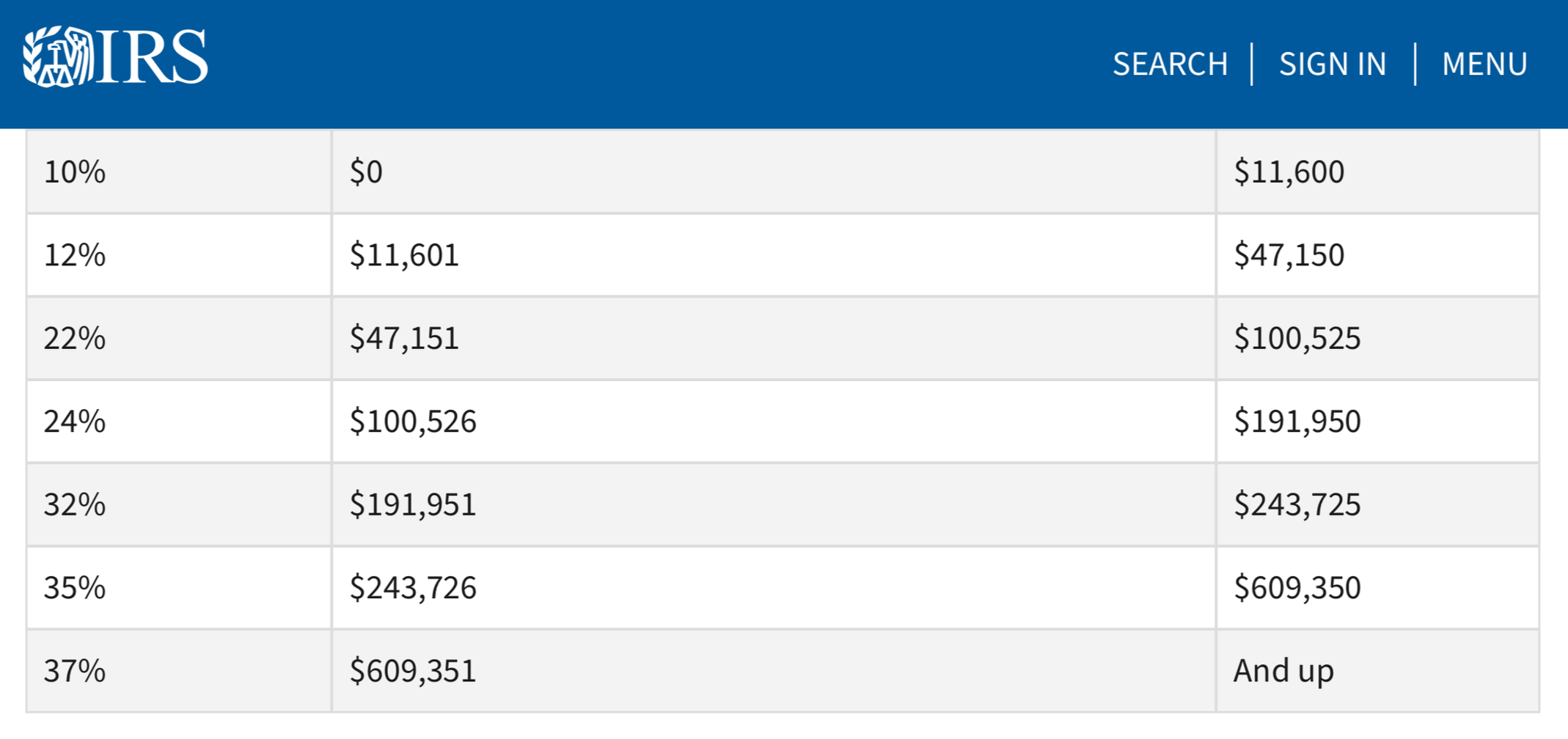
Federal income tax is the primary way the U.S. government raises revenue from individuals and businesses based on income earned during a calendar year. It is created by law through the United States Congress and administered and collected by the Internal Revenue Service.
What counts as taxable income
Federal income tax applies to most forms of income, including:
Wages and salaries
Self-employment and business income
Interest and dividends
Capital gains (sale of investments or property)
Rental income
Certain pensions and retirement withdrawals
Some income is excluded or partially excluded, such as certain municipal bond interest or specific benefits.
Progressive tax system
Federal income tax is progressive, meaning:
Income is divided into brackets
Each bracket is taxed at a different marginal rate
Only the income within each bracket is taxed at that bracket’s rate
This is different from a flat tax—earning more does not mean all income is taxed at the highest rate.
Social Security Tax Rate (FICA)
6.2% of wages
Applies only up to the annual wage base limi
Wage Base Limit
Income above the cap is not subject to Social Security tax
The wage base adjusts annually for inflation
Who Pays What
Employees: 6.2% withheld from paychecks
Employers: 6.2% paid separately
Self-employed individuals: 12.4% total (both shares), though part is deductible
Important Clarifications
This is separate from federal income tax
This is not progressive—it’s a flat rate until the cap
Medicare Tax (FICA)
1.45% of wages
No income cap (unlike Social Security)
Who Pays What
Employees: 1.45% withheld from paychecks
Employers: 1.45% paid separately
Self-employed individuals: 2.9% total, with part deductible
Additional Medicare Tax (High Earners)
On top of the standard rate, higher-income individuals pay an Additional Medicare Tax of 0.9% on wages above:
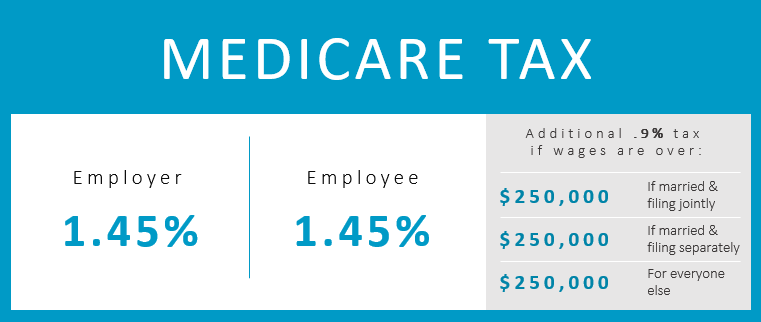
This 0.9% applies only to the amount above the threshold, not total income.
Employers do not match the additional 0.9%.
Federal Income Tax Rate (Corporate)
The U.S. federal corporate income tax rate is:
21% (flat rate)
This rate has applied since 2018, following the Tax Cuts and Jobs Act of 2017.
Key Characteristics
Flat rate — unlike individual income taxes, there are no brackets
Applies to C-corporations only
Separate from state corporate income taxes, which can add anywhere from 0% to ~12% depending on the state
Important Clarifications
Pass-through entities (LLCs, S-corps, partnerships, sole proprietors) do not pay corporate tax = their income is taxed at individual rates
Many corporations pay an effective rate lower than 21% due to:
Deductions
Credits
Depreciation rules
Loss carryforwards
International tax planning