From Tea to Tyranny —

We Remember

Government Serves the People, Not the Other Way Around.

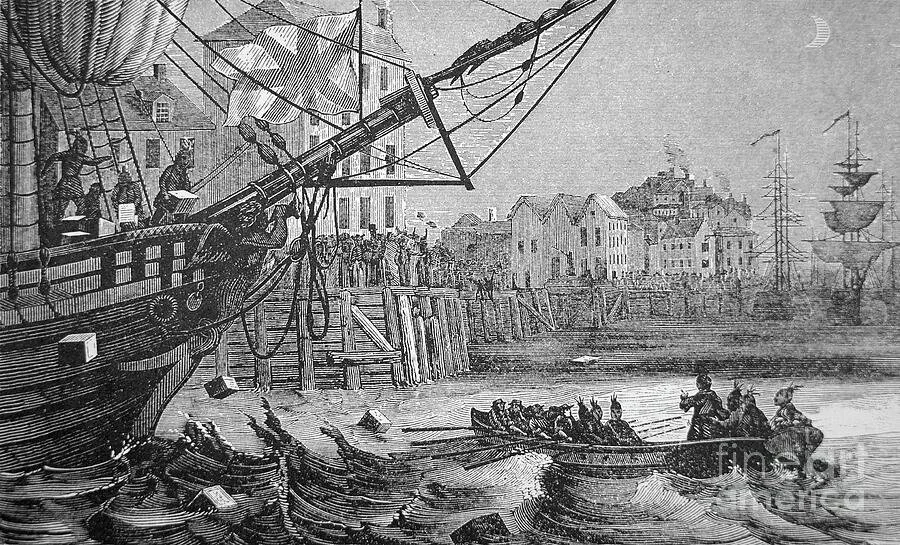
On December 16, 1773, in colonial Massachusetts, American colonists dumped 342 chests of tea into Boston Harbor in protest of British taxes imposed without their consent—most notably the Tea Act. This event, later known as the Boston Tea Party, occurred in response to a tax of three pence per pound of tea.

By comparison, in 2026 the average federal income tax rate is approximately 14.5 percent. This is only one of at least ten major federal taxes currently imposed on U.S. taxpayers.

Recently, discussion of a nationwide “tax strike” has emerged. Supporters argue that traditional avenues for change—such as voting, public comment, petitions, and litigation—have failed to produce meaningful reform. With inflation, housing costs, and everyday expenses placing increased pressure on working- and middle-class families, taxes are increasingly viewed as punitive rather than civic in nature.

Meanwhile, the foundational principles underlying taxation—public trust, accountability, and consent—are increasingly viewed as having broken down. Tax burdens continue to rise through income, property, and sales taxes, yet many taxpayers report declining public services, deteriorating infrastructure, and repeated examples of waste, mismanagement, and fraud. At the same time, government budgets and spending decisions often lack transparency, with limited public access to records and few visible consequences for misconduct. This has contributed to a growing perception that taxes are being demanded without clear evidence that existing funds are being managed responsibly.

Further escalating these concerns, reports of large-scale fraud across the country have led many people to believe that their hard-earned money is being misused while government institutions fail to adequately prevent or address it. As a result, some proponents frame a tax strike as an act of civil resistance—not an attempt to evade responsibility, but a demand for audits, transparency, and accountability before additional funds are collected. From this perspective, taxation should reflect consent and trust, and when those elements are absent, peaceful protest is viewed as a legitimate means of seeking reform and restoring public confidence.

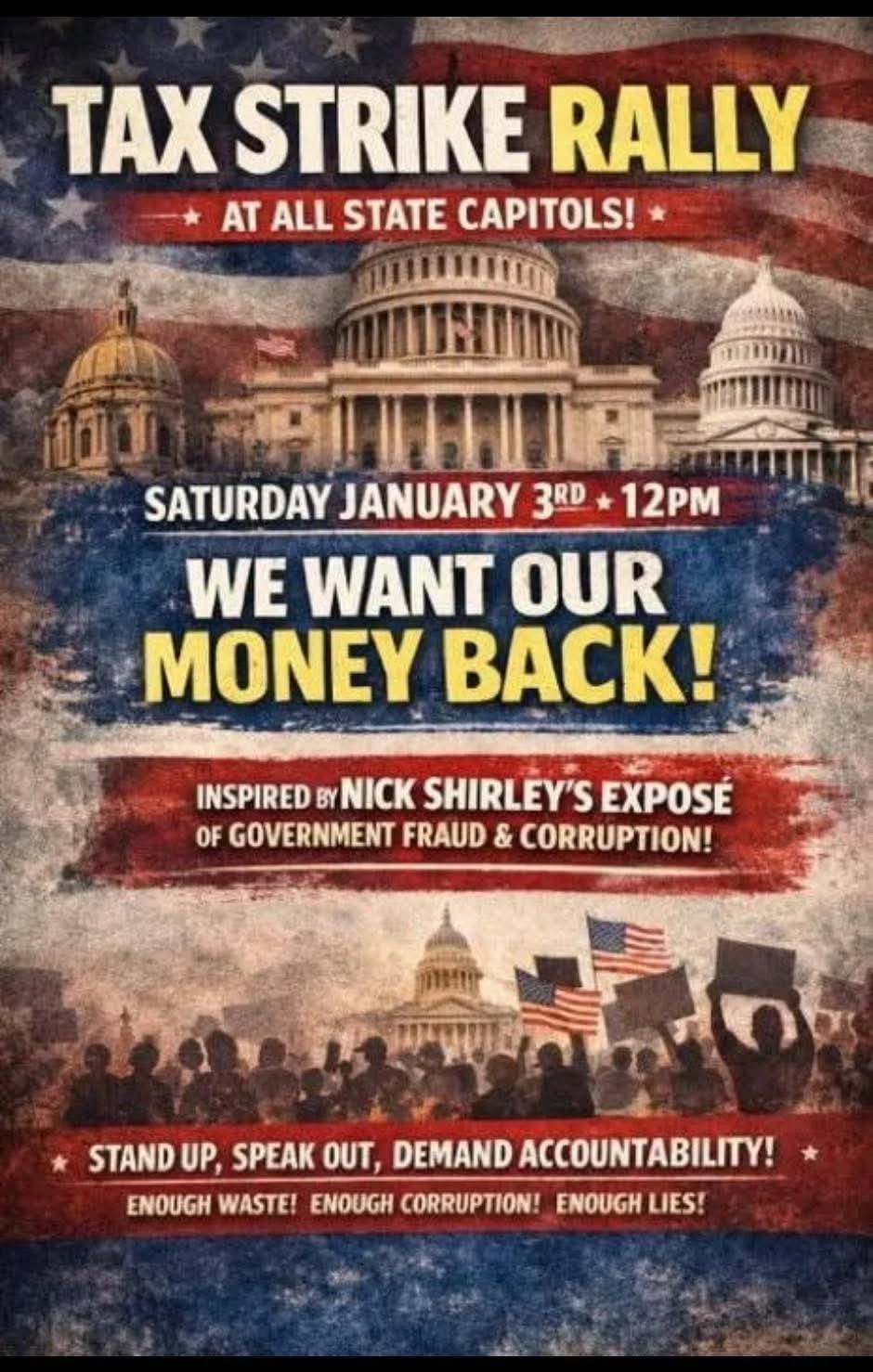
Organizers on social media have promoted nationwide tax-strike rallies scheduled for January 3, 2026. Participants have stated their intention to withhold tax payments as a political protest against government policies, spending priorities, and perceived failures to prevent fraud. Posts have called for demonstrations at state capitols and public spaces nationwide. Some prominent conservative figures, including Rep. Marjorie Taylor Greene, have publicly endorsed what has been described as a 2026 “tax revolt,” amplifying discussion around tax resistance

Greene’s messaging frames the movement as opposition to government waste, foreign aid, military conflicts, and federal corruption. Historically, tax resistance has been used as a form of protest in various contexts—from colonial-era hartals in India to modern war tax resistance movements. While organized tax strikes are rare, they have historically carried strong symbolic weight during periods of low trust in public institutions.

While speech and protest related to a tax strike are legal, refusing to pay legally owed taxes is not. However, many lawful alternatives do exist that may achieve similar objectives. This website has been developed to educate the public on what actions are legal, what actions are not, and what options exist for lawful civic engagement in this context.